AI on social media used to mean an algorithm deciding which post you saw next. In 2026, it means something much bigger: AI is now a coworker on the social team — drafting captions, building calendars, reading analytics, and even handling first-pass community management.
This guide is a practical look at where AI is actually pulling weight on social media today, where it falls short, and how brands and agencies are restructuring their workflows around it. No "AI will revolutionize everything" hand-waving — just what is working in production.
How AI is reshaping social media
The shift from 2022 to 2026 has been less "AI replaces social media managers" and more "AI removes the slow parts of the job." Four categories of work have been reshaped most.
Content creation
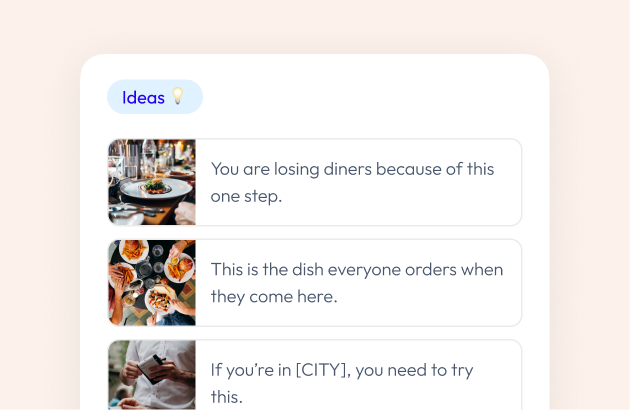
Captions, hooks, scripts, carousels, and visuals — AI now drafts the first version of everything that gets posted.
Planning
Calendar building, posting time recommendations, and content mix balancing have moved from spreadsheets to AI.
Analysis
AI summarizes analytics, predicts which posts will perform, and monitors competitor activity in the background.
Community management
Reply suggestions, sentiment analysis, and spam filtering — the unglamorous parts of social — are now mostly automated.
AI for content creation
This is where AI has had its biggest impact and where the most jobs have changed. The honest version is: AI now handles the first draft of nearly every social post being shipped by mid-sized brands. Humans edit, approve, and direct.
Captions and platform-native posts
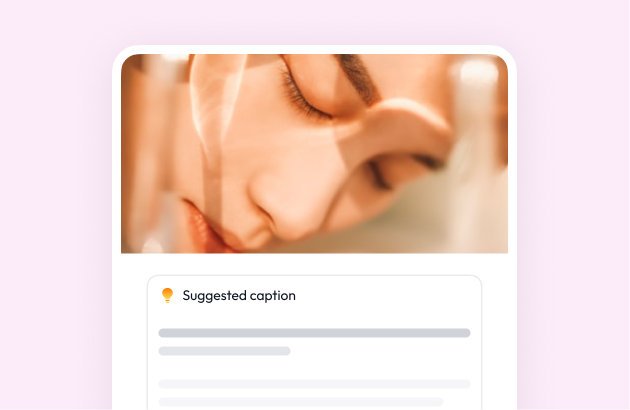
The single most-replaced task in 2026 is writing captions. Modern AI tools trained on platform-specific data produce captions that read like a native Instagram post or LinkedIn thought-leadership piece — not the awkward, robotic copy that defined AI writing in 2023. The trick is brand context: AI tools that learn your client's voice produce captions that need light editing, not rewriting. Tools without that context produce text that all sounds the same.
Short-form video scripts
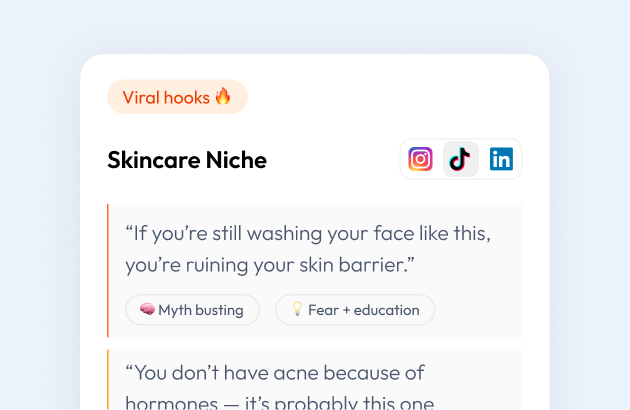
AI-generated scripts for Reels and TikToks have gotten dramatically better, primarily because the best tools now train on actual viral video transcripts rather than blog content. The result: AI suggests hooks that match what is currently working on TikTok, not generic "are you struggling with X?" openers from 2021.
Visuals and carousels
This is the next frontier. Generic AI image tools (Midjourney, DALL-E) produce beautiful visuals but rarely on-brand ones. The shift in 2026 is toward brand-aware visual AI: tools that generate carousels, statics, and Stories using your colors, fonts, and design system automatically. The output is closer to a designer's first draft than an AI image.
See it in action. Postana's AI social media tool generates captions, scripts, and on-brand visuals in one flow — built specifically for social, not adapted from a generic chatbot.
AI for planning and strategy
Planning a content calendar used to be a 4-6 hour exercise in staring at a spreadsheet. In 2026, the planning part of social work has been compressed to minutes — and the strategy part is increasingly AI-assisted.
Content calendar generation
Tell the AI your niche, audience, and posting cadence. It produces a balanced month of post ideas across platforms in under 5 minutes — typically using a 50/30/20 mix of value, engagement, and promotional posts.
Trend research
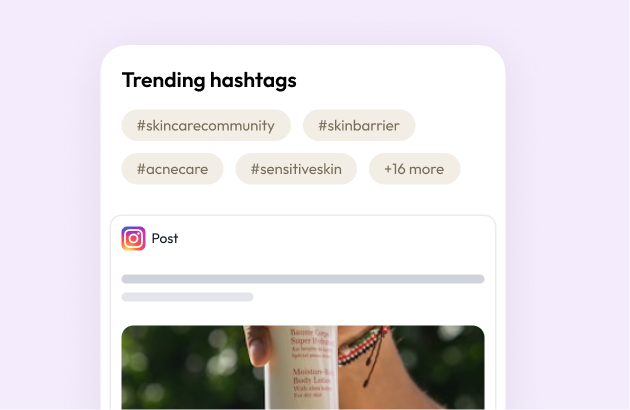
Modern AI agents scrape Instagram, TikTok, and LinkedIn live to find what is trending in a specific niche, then build calendar suggestions from that data instead of generic templates.
Posting time optimization
AI looks at when your audience is most active per platform and suggests posting windows. The data has been around for years, but AI now acts on it automatically.
Competitor monitoring
AI agents track competitor accounts daily, summarize what is working for them, and surface format or topic gaps your account can fill.
AI for analysis and optimization
Analytics has been the slowest part of social media to feel AI's impact, mostly because the data was already structured. The shift is happening now, and it is more about translation than calculation: AI explains the numbers in plain English instead of forcing humans to read dashboards.
Performance summaries
Instead of staring at engagement charts, social media managers now get weekly natural-language summaries: "Your Reels are outperforming your statics by 3x this month, and your Tuesday morning posts are getting 40% more reach than your afternoon ones." The data is the same — the access has been democratized.
Predictive scoring
Some AI tools now score draft posts before they go out, predicting likely reach and engagement based on patterns from past posts in the same niche. Accuracy is imperfect — the algorithm changes too often — but the directional signal helps catch obvious misses.
Reporting for clients
The unglamorous "monthly client report" has been almost entirely automated. AI pulls metrics, writes the narrative, formats the deck, and adds context. What used to take an account manager half a day now takes 15 minutes — most of which is reviewing the AI's framing.
AI for community management
Community management is where AI feels least exciting and most useful. Replying to 200 DMs, sorting spam from real questions, flagging negative sentiment — none of it is fun, all of it is necessary, and AI now handles the first 80% of it.
Reply drafting
AI suggests replies to comments and DMs in your brand voice, which a human can approve or tweak in seconds.
Sentiment analysis
AI flags negative comments and DMs the moment they appear so you can respond fast — before a small issue turns into a thread.
Spam filtering
AI sorts spam, fake giveaway requests, and bot replies from real audience messages, so humans only see the ones that matter.
Trend monitoring
AI watches mentions and tags across platforms, surfacing relevant conversations your brand should join.
Where AI still falls short
An honest read in 2026: AI on social media is not a magic wand. There are real, predictable failures, and ignoring them is how brands end up with bland feeds and angry audiences.
Genuine brand voice
AI can mimic the surface of a brand voice, but distinct, polarizing, opinionated voices still need a human steering. The brands that get the most reach in 2026 still feel unmistakably written by someone with a perspective — and AI alone does not produce that.
Cultural moment timing
Reacting to a meme, a news event, or a cultural moment in real time still requires a human who has been online that day. AI is great at riding established trends; bad at being first to a new one.
Risky creative judgment
AI tools err safe. Bold, contrarian, or vulnerable posts almost always come from humans because AI is trained to avoid edge cases — but edge cases are often what gets shared.
Strategic decisions
Choosing which platform to invest in, which type of content to bet a quarter on, or whether to pivot a brand voice — these are strategic calls AI can inform but not make.
The next 12 months
Three trends look most likely to define how AI shows up on social media through 2027.
Agents replace tools
The shift from AI features (a button you click) to AI agents (an assistant that executes a multi-step plan) is already happening. Instead of generating one caption at a time, agents will plan a calendar, scrape competitor data, draft every post, generate visuals, and queue everything for approval — all from a single brief.
Native AI inside the platforms
Meta, TikTok, and LinkedIn are all building native AI features for creators and advertisers. This will commoditize basic AI tools (caption generation will be everywhere) and push third-party tools to differentiate on workflow, client-management, and brand-aware quality.
Disclosure becomes standard
Expect more platforms to require AI disclosure for visuals, especially anything photorealistic. The smart move is to bake disclosure into your workflow now rather than retrofit it once enforcement tightens.
How to start using AI on social
A practical 4-week ramp that brands and agencies have been using to fold AI into their workflow without breaking what is already working.
Pick one tool, not five
Choose a single AI tool that covers planning and content creation. Trying to glue together six narrow tools wastes more time than it saves.
Train it on one brand
Set up your brand brief — voice, audience, offer, no-go topics. Spend 30 minutes on this once. Every output afterward gets dramatically better.
Replace one workflow
Move one task entirely to AI: monthly calendar planning, caption drafting, or carousel generation. Measure how much time you save.
Decide what to expand
Based on the time saved, decide what else moves to AI. Some agencies move every brand to the same workflow; others keep AI for specific clients.